A pioneer in the one-stop destination for each & every human being for all tourism needs of the moment. place of tourism serves as a unique digital forum by incessantly providing essential information on tourism and all the tourist places at utmost goodwill service.

Once known as the former capital city of Odisha, Cuttack is currently renowned as the commercial city and cultural capital of Odisha. This second-largest city of the Indian state Odisha is always buzzing with cultural activities and plays host to a variety of festivals like the Baliyatra, which commemorates the ancient trade links the countries like Java, Bali and Sumatra, Durga Puja and the Makar Sakrnti(Kite Festival).
The city said to be the commercial capital due to most of the small and large business houses of Odisha belong to Cuttack only. The city is also known as the millennium and sliver city of India as well. Due to the world famous filigree work is done on the silver Ornaments and Jewelry. The ivory and the brass work being done along with the textile industry of the state have brought it into the limelight. Cuttack is the most chosen place for affordable shopping all over the state. The city is also known for the best variety of evening tiffin and snacks item. Dahibara Aloodum is the famous food of Cuttack.
Maa Katak Chandi Temple, Cuttack, Odisha
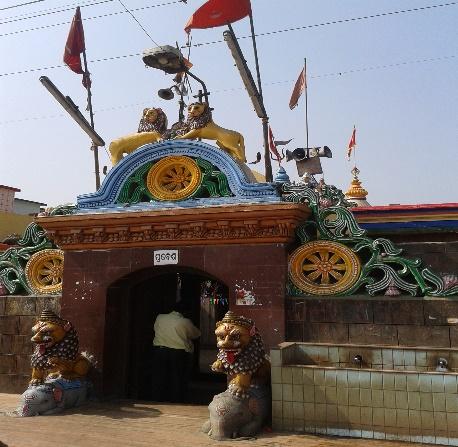
The Kataka Chandi Temple is an ancient temple dedicated to the Goddess Chandi, the presiding deity of Cuttack,The temple is located near the banks of the Mahanadi River. It is famous for the annual Durga Puja and Kali Puja festivals.
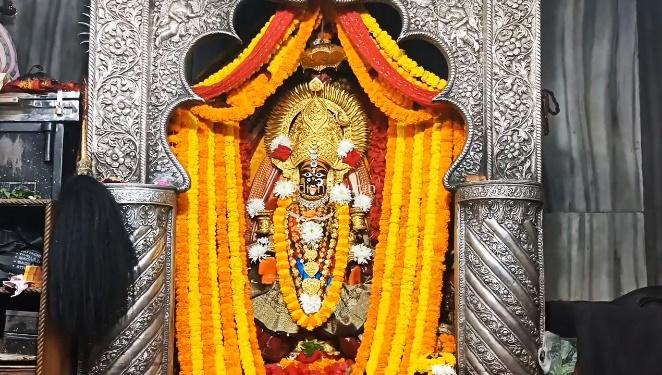
The Durga Puja festivities are prominent in Maa Katak Chandi temple which takes place for 16 days starting from dark fortnight of Ashwina Krishna Ashtami till Ashwina shukla navami and Vijayadashami. The goddess, popularly called Maa Kataka Chandi, sits and rules on the heart of the ancient city.
Maa Chandi is worshipped in various incarnations of Durga during the puja. In Cuttack, people strongly believe Maa Katak Chandi as ‘The Living Goddess’.
CUTTACK CITY
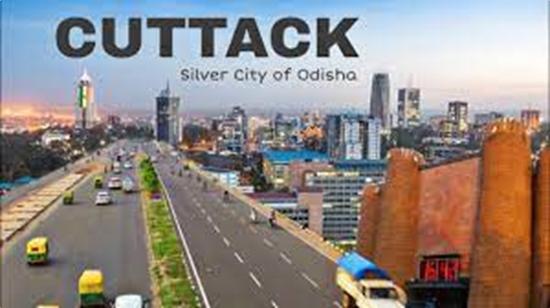
Cuttack, one of the oldest cities in India dating back to 1000 years built by King Ananga Bhimadev-III. This silver city was the former capital of Odisha. Hemmed on the north and south by river Mahanadi & Kathajodi afforded a natural fortified base for the kings of the yore. The 11th century embankment of Kathajodi, the ruins of Barabati Fort, the shrine of Katak Chandi, the Quadam-i-Rasool, Netaji Subhas Bose Memorial(birthplace of Subhas Bose), the Maritime Museum and some old churches are the major attractions of the city. Cuttack is known as the ‘Silver City’ due to its finest Filigree works, the best in the country.
DHABALESWAR TEMPLE
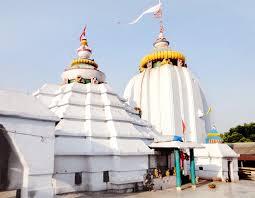
Dhabaleswar is popular for the temple of Lord Shiva that stands on a hillock in the middle of the river Mahanadi. Located in an island on the river near Mancheswar village of Athagarh block, 37 km from Cuttack city, the temple is embellished with stone carvings that date back to the early 10th and 11th century. It is said King Purusottam Dev established the temple in the middle of the river Mahanadi so that his queen Padmabati could worship Shiva. However, the historians are silent over the exact timing of its establishment. According to old scriptures, this sacred place was known as Hariharpitha. Festival of fasting (Upabas) Bada Osa is obsereved in the month of November or Kartika Sukla Trayodashi (Thirteenth day of Bright fortnight of Kartik Month) every year. The specialty of this day gets enhanced with the prime ritual of the Lord Dhabaleswar temple and famous ‘Gaja Bhoga’ offerings.
Bhattarika Temple,Badamba,Cuttack
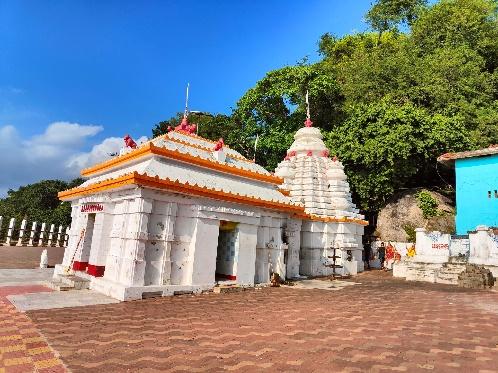
Bhattarika Temple is one of the famous Hindu pilgrimage locations of Odisha which is situated at the Sasanga village near Badamba, at Athgarh, an area under the jurisdiction of Cuttack District. The temple is located on the banks River Mahanadi and is dedicated to the Goddess Bhattarika, which is also said to be an incarnation of Goddess Shakti.
As per the mythology when Parshurama (an avatar of Lord Vishnu) got defeated by the Saharasjuna many a times, he then prayed to Goddess Durga by mediating on a stone. The Goddess delighted with his meticulous appeal appeared and gave power to Parshurama.
With the divine power rejuvenate in Parshurama, he defeated the Saharasjuna. The place where Goddess appeared is said to be the location where now the Bhattarika Temple is being situated. The Bhattarika Temple is also entitled ‘Shakti Pitha’ which means the native place of Goddess Shakti.
History of Bhattarika Temple
The Bhattarika Temple is believed to have been built between the 6th to the 16th century B.C. As per the legends this Shakti Pitha at Bhattarika was established by Parshurama. He also carved the idol of Goddess Bhattarika at the tip of his arrow. He was blessed with powers which he attained by worshiping the Goddess Durga after he lost the battles against Saharasjuna. The temple of goddess Bhattarika is also believed to have its connection with the Oriya Ramayan. According to the Oriya Ramayan, God Ram, Laxman along with Mata Sita worshiped goddess Bhattarika while they were travelling to Panchavati. On the other side of the River Mahanadi, now also the foot marks of Sri Ram, Laxman and Mata Sita can be found.
There is also a story behind the name of the place where the Bhattarika Temple is located i.e. Badamba. As per the legend of Badamba, once the Gajapati of Orissa ordered Hattakishor and Mallakishor the two famous brothers who use to craft the entire city, to establish two villages named Mahuri and Sankha. Later on they became the king of those villages and when they tried to construct a Fort in their villages a chief of a tribe opposed them and that resulted into a huge battle fought between the king and the tribe. In the battle the tribal chief died and before the his death his wife advised the Gajapati to worship Goddess Bhattarika. Bruhatamba is another name of Goddess Bhattarika and hence the Gajapati decided to name the place as Bruhatamba. Later on the name was changed to Badamba which is still the same.
Interiors the Bhattarika Temple
In the interior of the Bhattarika Temple there are eight small images of Goddess Bhattarika are present. Of these eight, three are in the Lalitasana holding a lotus in one hand and Varadamudra in the other hand, and all the other five are in padmasana. An image which is also in the Lalitasana has Pasha, Bow, Arrow and Ankusha in her four hands and hence it is known as Para Bhattarika. She is said to be the ‘suryopasanatatpara’ and in the Jagamohan of the Bhattarika temple God Sun is being worshiped. The images along with the Goddess Bhattarika are Prabha, Jaya, Maya, Sukshma, Suprabha, Abhaya and Visuddha. As per the Buddhist “Yogachara” system, Devi Bhattarika is being seated in the center of Chakra associated with all the eight deities. The priest worships the goddess as Mahamaya, Rajarajeswari, Tripura Sundari, Shodashi, and Para Bhattarika. Several history scholars opine that the place has a link with Buddhism.
Places of Interest near Bhattarika Temple
There are a few other famous temples near the Bhattarika Temple which are the temples of Nilamadhava, Vindhyavasini, Narayana and Simhanath.
Festivals Celebrated in Bhattarika Temple
Festivals of Makar Sankranti in the month of January, Pana Sankranti in the month of Chaitra (April), Akshaya Trutiya in the month of Baisakh (May) and among all others the most celebrated festival is the Dussehra in the month of October.
It is said that another meaning of the Devi Bhattarika is “respectable lady.” Hence the temple is being of a great belief for the local people and several tourists visit the temple every year during the Dussehra. The Bhattarika Temple is believed one of the best places of Orissa and also as per the mythology it is also one of the Shakti pitha in Orissa.
Ansupa Lake Odisha
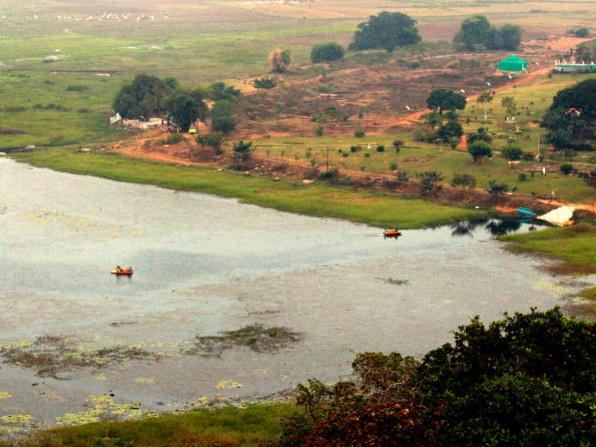
Ansupa Lake in Odisha glistens on the banks of River Mahanadi. This is the largest freshwater lake of Odisha, endowed with unbeatable visual beauty. The lake is horseshoe shaped and thus the name – Ansupa. This nature-kissed site is home to migratory birds during the winter season. Thereby, making the lake livelier and colourful.
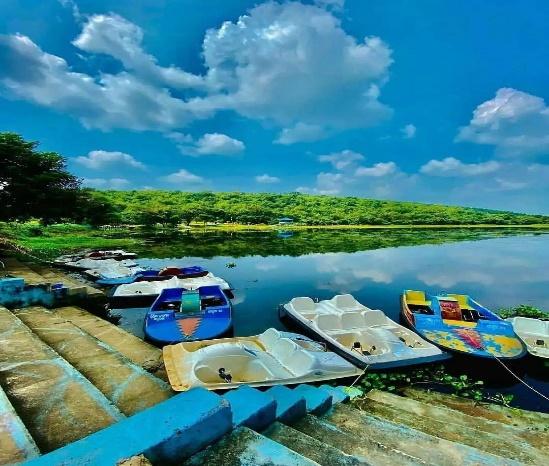
The lake also boasts national importance and the credit for this goes to its biodiversity of flora and fauna. It is noteworthy that more than 9 species of submerged, 12 species of floating, and 26 species of emergent plants thrive in the lake. Apart from this, 3 species of prawns, 10 species of reptiles, and 10 species of reptiles. There is much more to this lake than just biodiversity and aquatic life. Let’s find out.
Location of Ansupa Lake
Ansupa Lake is situated just 40 km away from Cuttack. It is in the middle of the state highway connecting Athagarh and Banki block of Cuttack district.
Scenic Beauty of Ansupa Lake
Cut out from Mahanadi River, Ansupa Lake is looked over by the lofty Saranda Hills. Atop the hills, there stands an ancient fort that manifolds the charm of the place. On one side luxuriant greenery and shimmering lake dotted by flowers on the other present a sight to behold. During showers, the lake water shows different hues, adding to the visual treat. A hill-top park is perched opposite to the lake, offering pleasurable picnic opportunities.
Maa Charchika Temple, Banki, Cuttack
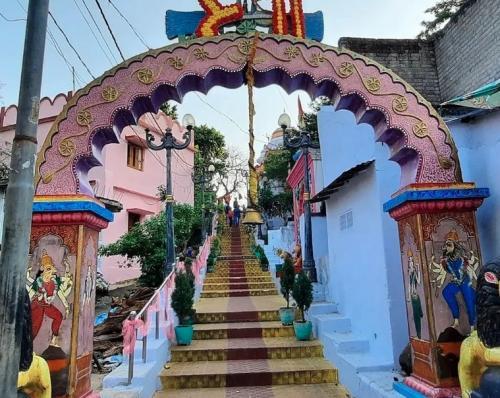
Charchika Temple is a 19th century old temple situated in Banki town of Cuttack district in Odisha. Goddess Chamunda is worshipped in the temple. She is an eight-armed goddess, who is a manifestation of Maa Devi Durga, seated on a prostrate human body and wearing a garland of human skulls. She displays khadga, shula, katari and varadamudra in her four right hands whereas the four left hands represent severed head, blood-cup, and leaving a finger of the remaining hand soaked in blood. She is called as Maa Charchika by local people. This temple is situated on the top a hillock whose name is Ruchika Parvat on the bed of the Renuka River.
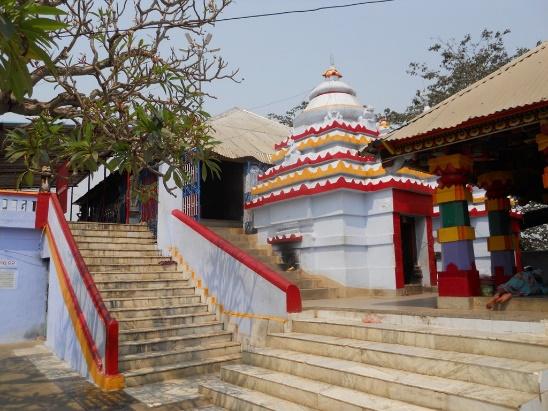
Legend says that the Maa Charchika idol was created by Parashurama.In the temple there is a pidha vimana, jagamohana and a wooden mandapa known as “sunyavahini mandapa” that reflects Kalinga architecture. The ceiling of the mandapa is carved, painted with animals and birds like – elephant, duck, parrot, peacock, etc. which made of wood whereas the pillars are in stone.
MAHAPURUSA ACHYUTANANDA DAS GADI,NEMALO,CUTTACK
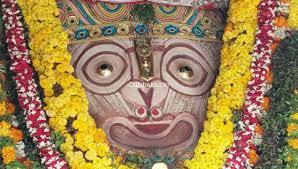
In the heart of Cuttack, Shri Achyutananda Das Gadi in Nemala stands as a revered shrine, weaving a tale of spiritual heritage. This sacred haven draws seekers from far and wide, inviting them into a realm of tranquility and devotion.
Shri Achyutananda Das Gadi, situated in middle landscapes, is a testament to Odisha’s spiritual richness. A revered saint and poet, Achyutananda Das, left an indelible mark on the region. The Gadi, or seat, is a pilgrimage site where followers gather to pay homage and seek spiritual enlightenment.
History of Shri Achyutananda Das Gadi
The history of Shri Achyutananda Das Gadi is steeped in the teachings of the saint himself. Achyutananda Das, one of the Panchasakhas, played a crucial role in propagating the essence of Odia literature and spirituality. The Gadi became a center for disseminating his wisdom, attracting disciples who continued his legacy. Over the centuries, the site has evolved into a symbol of cultural continuity and religious fervor.
DAMDAMANI DAM, CUTTACK
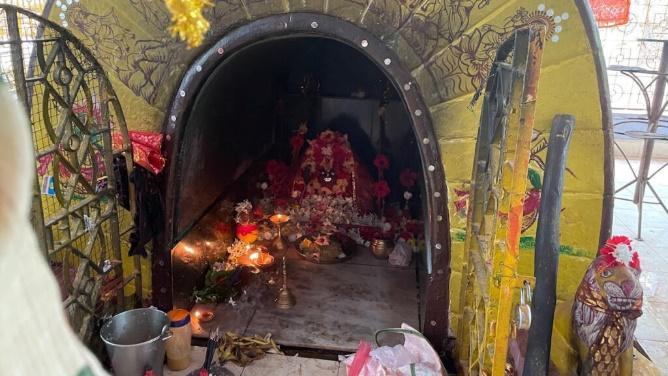
The Dam Damani Pitha temple is located 12 km from Choudwar and 30 km from Cuttack in Odisha. This ancient temple is dedicated to Goddess DamDamani and is set amidst lush forests and a flowing stream, making it an ideal picnic spot and pilgrimage site. Legend has it that the Pandavas stayed in this area incognito during their exile, near the kingdom of Birat. The nearby forest was also once a hunting ground for a historic king. The Dam Damani Pitha is a popular tourist destination near Cuttack.
Just 2 km away is the small Dam Damani Reservoir, part of the same complex. This incredibly scenic dam and picnic area near Cuttack has become a top tourist attraction, although it closes after 4 pm daily. Visitors rave about the peaceful, beautiful atmosphere.
The Dama Damani Lake is considered one of the best places to visit near Cuttack. Its natural beauty draws many visitors, especially in winter when it’s perfect for picnicking. Surrounded by rolling hills and lush forests, the Dam Damani is a highlight of the Cuttack district for tourists exploring Odisha.
Olasuni Temple,Cuttack
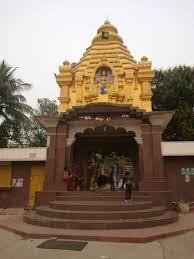
The very location of the hill, Gumpha or Pahada, is named after the four-handed Buddhist goddess Prajnaparamita, who became the goddess of Hinduism and was renamed Devi by the local people.
Akshyamala and a Khanda (sword) are carried by the goddess in the raised right and left hands and Dharmachakra Pravartana Mudra in the main pair of hands. The Buddhist monks worshiped the goddess within the gumpha known as or Sidha Gumpha until the 12th/&13th century AD. In the later period, with the decline of Buddhism, the hillock was covered by hanging banyan tree trunks, known as Bara Ohala.
Maybe the local people referred to this hillock as Ohalasuni, later transformed into Olasuni, according to the word Ohala, the hanging state.
The goddess has been generally known since that time as Olasuni Devi and the Cave, as Olasuni gumpha and Olasuni pahada hillock.
The hillock was also called “Olasuni Pahada” even after the arrival of Santha Arakhita in the 18th century A.D, as Arakhita Das composed in his bhajan, with an apple for the goddess “Olasuni Giribara.” The hillock has since been called Olasuni Gumpha Pahada. The temple is constructed from the Khondalite stone obtained from this hillside.
Maa Dhakulei Pitha,Pratap Nagari, Cuttack:
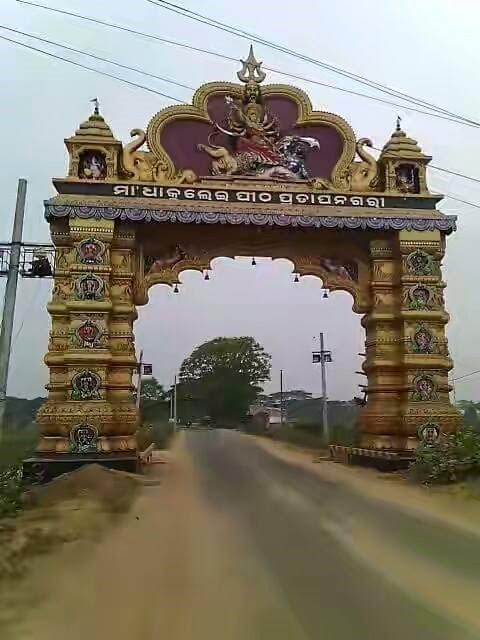
A famous scenic and religious place to visit to, the temple is located adjacent to Kuakhai River and Puri Main Canal where it is known that water flows perennially all throughout the year. There is also a much known Jain museum alongside the temple, constructed way back by the Jain devotees. The Maa Dhakulei temple is renowned for fireworks that usually were held during the Dola Purnima and is worth visiting.
NARAJ BARAGE,CUTTACK :
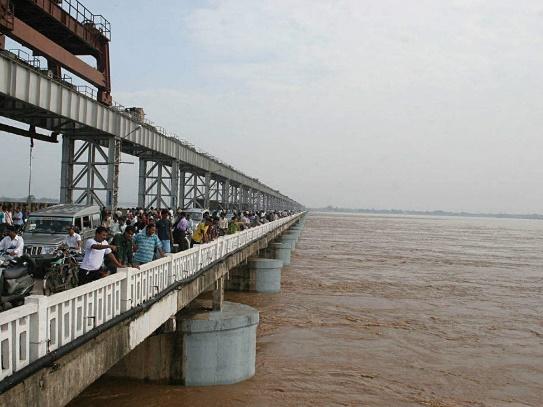
Situated on the origin of river Kathajodi a tributary of Mahanadi gives a panoramic view of the vast expanse of the river Mahanadi. There are many Buddhist images found. The place is frequented by devotees offering prayers at Lord Sidheswar. This is also a beautiful picnic spot. Naraj was also once a famous seat of Buddhist culture and learning. Excavations by archaeologists in the past had revealed presence of various small and big Buddhist images from the spot. Every year during the winter, thousands of locals visit Naraj for picnicking. The place is located 14 km towards west from Cuttack town and 28 km from the State Capital of Bhubaneswar.
BARABATI FORT,CUTTACK :
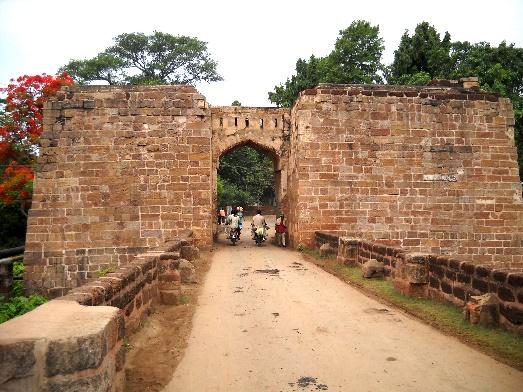
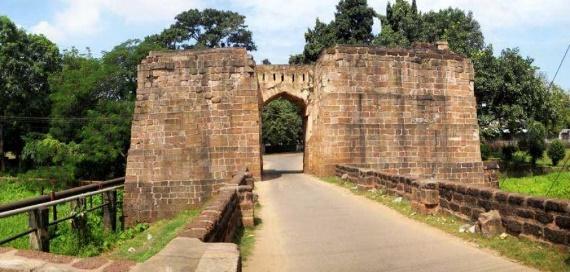
The Barbati fort is situated at about 8 km away from the center of the Cuttack. Fort is a 14th century fort built by the Ganga dynasty. The ruins of the fort stay with its moat, gate, and also the earthen mound of the nine-storied palace, that evokes the reminiscences of past days. Today it sits next to the modern Barabati Stadium, the venue of various sport events and cultural programs.
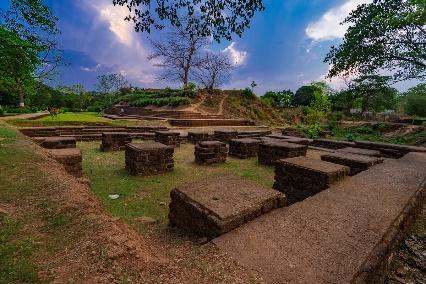
There is also a temple dedicated to Katak Chandi, the presiding deity of the city, not far away from the fort. Now there are plans to develop the old Gadakhai into a world class tourist destination with boating facilities and a world class park. The renovation work of the Gadakhai is going on in full swing. The fort is situated at such a calculated place that it provides a beautiful and spectacular view of the modern Cuttack city. The fort brings charm to the city and depicts its glorious history.
BARABATI STADIUM,CUTTACK :
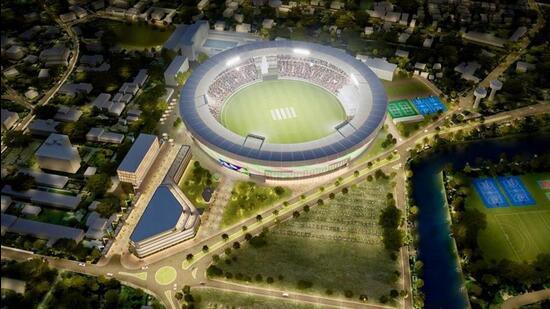
Barabati Stadium, situated in the city of Cuttack, Odisha, India, is a historic cricket ground that has witnessed numerous memorable sports events since its inception. Established in the year 1953, this stadium is an emblem of pride for the state of Odisha. With a seating capacity of around 45,000 spectators, it serves as the home ground for Odisha Cricket Team and has been a venue for international cricket matches including tests, ODIs, and T20s. The stadium is equipped with facilities like floodlights for day and night matches, a well-maintained pitch, practice nets, and modern amenities for players and audience alike. The gallery of the stadium reverberates with the passionate cheers of cricket enthusiasts during matches. Apart from cricket, Barabati Stadium also hosts football matches and cultural events, reflecting its versatility and importance as a multipurpose venue. The ground also includes the Odisha Cricket Association Club and a pavilion that offers splendid views of the playing area, making it a favourite spot among sports aficionados.
Netaji Birth Place Museum,Cuttack
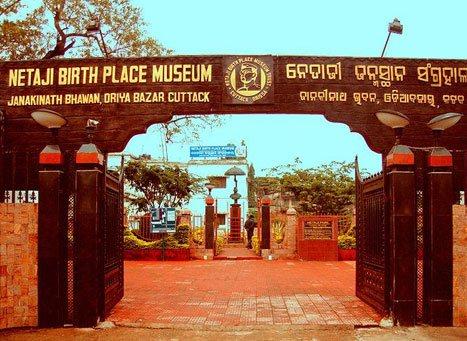
Netaji Birth Place Museum is a historical and cultural museum located in Cuttack, Odisha, dedicated to the life and times of Subhas Chandra Bose, one of India’s most prominent freedom fighters. The museum is actually the ancestral house where Netaji was born on January 23, 1897. It has been meticulously restored and turned into a museum that displays various artifacts, photographs, and documents related to Netaji’s life and India’s struggle for independence. The museum comprises several galleries that depict different phases of his life including his childhood, work with the Indian National Congress, association with the Indian National Army (INA), and his efforts towards freeing India from British rule. This place not only serves as a repository of history but also as an inspiration for visitors, reminding them of the sacrifices made for India’s freedom. The museum provides a detailed insight into Netaji’s ideologies and the socio-political context of the time.
Closed in: Mondays and Public Holidays
JOBRA BARRAGE & STONE REVETMENT, CUTTACK
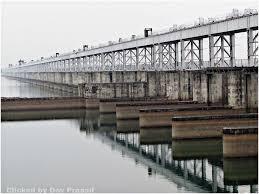
The Jobra Barrage, also known as Mahanadi Barrage, is probably the most popular hangout for Cuttackians. Build over the majestic river Mahanadi, the Jobra Barrage carries a 2 km long road bridge connecting Cuttack and Jagatpur. The barrage is situated near to the longest river bridge of Odisha and one of the longest in India, the Mahanadi road bridge. Along the road bridge, there is a Jobra Park, a Deer Park and a sunset point.
Another interesting thing to see is the stone revetment on the banks of river Kathjhodi, a marvel of ancient engineering technique. The centuries-old stone formation bears testimony to the technical skill and logical thinking of Odias of 11th century. Built by the Keshari kings and having survived the test of time, the revetment safeguards the city from seasonal floods. In fact, it was built with a purpose of saving the Millennium City from the devastation of the floods caused by the river Mahanadi. A typical example of the ancient Odishan architecture, the stone pavement gets tourist footfall round the year. The place should not be missed by both architecture and nature lovers. The best time to visit is during winter when migratory birds can be seen in the river.
Ravenshaw University,Cuttack
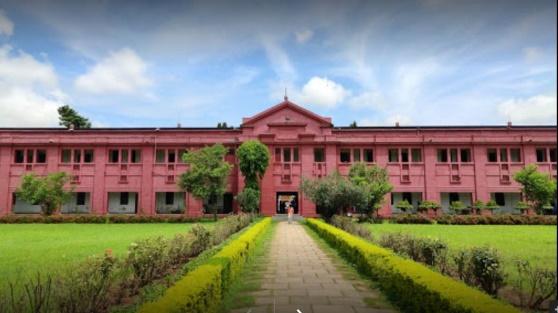
The Ravenshaw University evokes a feeling of pride and honour in every Odia. One of the oldest and the largest educational institutions of the country, Ravenshaw University is a witness to the history of modern Odisha. The majestic structure stands on College Square Chack, close to the Cuttack Railway Station. As per the records of the University, it came into existence on the November 15, 2006; it was an upgradation of Ravenshaw College established in 1868. During the freedom struggle, the Ravenshaw College played a vital role in promoting nationalism and geared up youths to take part in the fight against British.
The records also state that the university’s hall was the venue for the declaration of Odisha as a separate province on April 1, 1936 and thereafter it housed the State’s first Legislative Assembly. After Independence, the Assembly was shifted to Bhubaneswar, the new capital of Odisha. During Quit India Movement of 1942, students of the institution brought down the Union Jack as a mark of Nationalistic fervour. As far as its architecture is concerned, Ravenshaw University is an amalgamation of Victorian, Indian and Gothic architecture. The beautiful columns, capitals and designs give a lot of information about the architecture of the British era. The 95-year-old red building has been constructed over a sprawling area of 87.4 acres of land.
SIDHESWAR TEMPLE,NARAJ ,CUTTACK
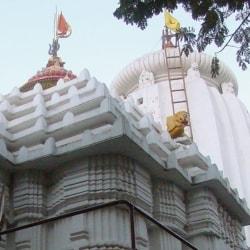
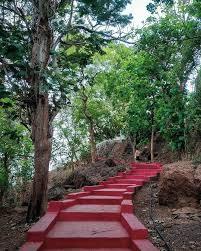
Sidheshwar Temple is located on a small hill near Naraj on the banks of the river Mahanadi. It is 17 km from distance Cuttack City and 25 km from Bhubaneswar. Lord Shiva is worshipped as the main deity in this temple. The Sidheswar temple is one of the ancient temple in this area. It is believed that the Arjuna has placed the Shiv Linga and worshiped to get “sidhi” (sucess) here. So the temple is named as Sidheswar from there. Sidheswar Temple situated on the bank of Mahanadi river nearby mundali bridge. Local worship lord shiva at the temple. the temple is at top of the hill. One of the best Shiva temple outskirts of cuttack.
Sunset View of Shidheswar Temple
The famous Sidheswar temple is located in the bank of river Mahanadi. The ancient temple is situated at the hill between Talagarh. In the month of Sharavan many many Kaudiyas visit this place.The temple is present and the end of the village and is well connected with the road. Many people visit this place as you can witness the sunset from the temple.
Debidwar, Gayala Banka, Banki, Cuttack
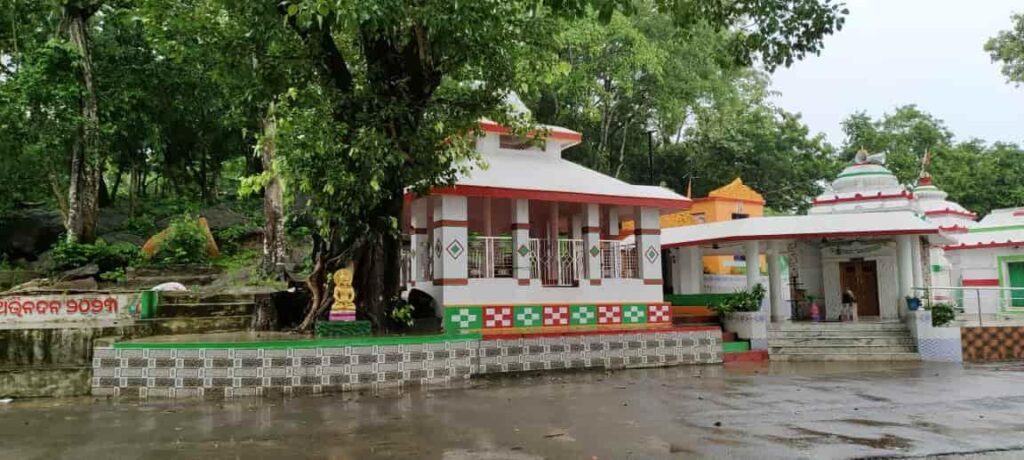
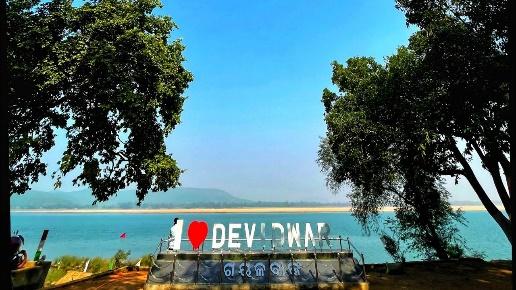
Debidwar is situated on the banks of the river near Gayala Bank, It is 20 km distance from Banki and 25 km from Cuttack. Lord Shiva is worshipped in the form of Lakhshmaneswar in Debidwar Temple. Lord Hanuman, Devi Ramandi, and Trimuty worshipped on temple premises. As this temple is on Banks of the river, its environment is beautiful. there is a help care center near the temple for tourists. seeing the beautiful view of the hills on the banks of the river from Gayala Bank Debidwar gives one a sense of peace. Gayala Banka Debidwar is a tourist attraction place near Cuttack & Bhubaneswar,Odisha
SILVER CITY BOAT CLUB,CUTTACK
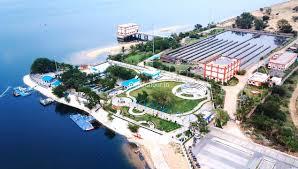
The Silver City Boat Club is located in Cuttack, Odisha, along the banks of the Mahanadi River. The club’s riverside location makes it Attracts for water sports and boating activities.
The Silver City Boat Club in Cuttack offers a variety of facilities for its members and guests, making it a popular spot not just for boating but also for social gatherings and relaxation.
Restaurant and Bar: The club usually has a restaurant that serves a range of cuisines, including local Odia dishes, Indian cuisine, and continental options. The bar offers a selection of beverages, making it a nice place to unwind after a day of activities.
Outdoor Seating: Many boat clubs feature outdoor seating areas with views of the river, allowing members to enjoy their meals while taking in the scenic beauty of the Mahanadi River.
Recreational Facilities:
Boating and Water Sports: The club is well-equipped with boats for rowing, kayaking, and sometimes sailing. They may also organize water sports competitions and training sessions.
Swimming Pool: Some boat clubs include a swimming pool where members can relax or practice swimming.
Gym and Fitness Centre: There might be a gym with basic fitness equipment available for members.
Event Spaces:
Banquet Halls: The club often has banquet halls or outdoor spaces that can be rented for private events such as weddings, parties, or corporate gatherings.
Conference Rooms: For business meetings or seminars, conference rooms with the necessary amenities are usually available.
Social and Cultural Events:
The club frequently hosts social events, cultural programs, and celebrations, especially during festivals and significant dates in the club’s calendar.
Accommodation:
Guest Rooms: Some boat clubs offer limited accommodation facilities for members or their guests, providing a convenient option for those traveling from outside the city.
Membership Benefits:
Members typically have access to exclusive areas and events, discounted rates on facilities, and the opportunity to participate in the club’s governance or special interest groups.
The Silver City Boat Club in Cuttack, Odisha, is a notable institution with a rich history. It is one of the oldest boat clubs in India, reflecting the city’s colonial past and its connection to water sports and recreational boating. The club is located along the Mahanadi River, providing a serene setting for its activities.