A pioneer in the one-stop destination for each & every human being for all tourism needs of the moment. place of tourism serves as a unique digital forum by incessantly providing essential information on tourism and all the tourist places at utmost goodwill service.

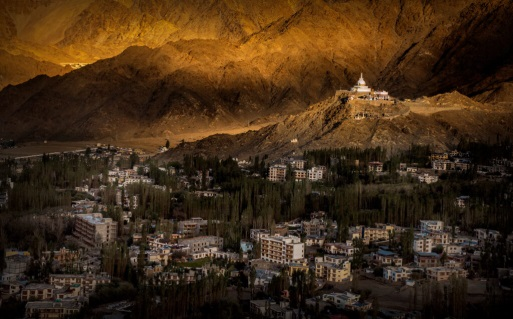
Ladakh is a high-altitude region located in the northernmost part of India, known for its breathtaking landscapes, rich cultural heritage, and strategic importance. It lies in the state of Jammu and Kashmir, although in 2019, Ladakh was made a separate Union Territory, distinct from Jammu and Kashmir. It shares borders with China to the east and Pakistan to the west, making it a region of geopolitical significance.
Here are some key aspects of Ladakh:
Geography and Climate:
Topography: Ladakh is often called the “Land of High Passes” due to its mountainous terrain. It is located in the Great Himalayas and the Karakoram range, with an average elevation of 3,000 meters (9,800 feet) above sea level.
Climate: The climate is arid, with extremely cold winters and mild summers. Temperatures can drop as low as -40°C (-40°F) during winter, while summer temperatures range between 20-30°C (68-86°F).
Key Attractions:
Leh: The largest town in Ladakh, Leh is known for its Buddhist monasteries, the Leh Palace, and as a starting point for exploring the region.
Nubra Valley: Known for its desert landscapes, the valley is home to the famous Bactrian camels and is often accessed via the Khardung La pass, one of the highest motorable roads in the world.
Pangong Lake: A striking saltwater lake that extends across India and China, famous for its ever-changing colors.
Tso Moriri Lake: A high-altitude lake, located in a remote part of Ladakh, known for its serene beauty and wildlife, including migratory birds.
Magnetic Hill: A gravity-defying phenomenon where vehicles appear to roll uphill.
Culture and Religion:
Buddhism: Ladakh is predominantly Buddhist, with a rich cultural heritage marked by monasteries (gompas), festivals, and rituals. The Tibetan Buddhist culture is deeply rooted here, and festivals like Hemis and Losar are celebrated with traditional dances, music, and rituals.
Islam: Ladakh also has a significant Muslim population, particularly in areas like Kargil, where Islam coexists peacefully with Buddhism.
Adventure and Trekking:
Ladakh is a popular destination for adventure enthusiasts. Trekking, mountaineering, river rafting, and motorbiking are common activities. The challenging terrain and high-altitude lakes make it an appealing destination for nature lovers and adventure seekers.
Strategic and Military Importance:
Ladakh shares borders with both China and Pakistan. The region is of great strategic importance for India due to its proximity to these nations. The presence of the Indian Army and the location of military outposts play a key role in maintaining the country’s security in this region.
Accessibility:
By Air: The region’s main airport is in Leh, which is connected to major cities like Delhi, Srinagar, and Jammu.
By Road: Ladakh is accessible from the rest of India through the Srinagar-Leh and Manali-Leh highways, though these roads are closed during the winter months due to snow.
Challenges:
Connectivity: Due to its remote location and challenging terrain, internet access and phone connectivity can be limited in Ladakh.
Environmental Concerns: The rapid growth of tourism has led to concerns about the region’s environment, including the impact of waste, water usage, and the preservation of its unique ecosystems.
In summary, Ladakh offers a unique blend of natural beauty, cultural richness, and adventure opportunities, making it a highly sought-after destination for travelers from around the world.