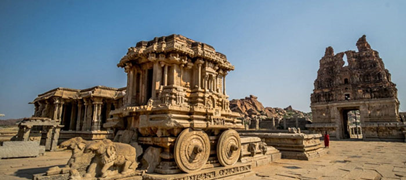
A pioneer in the one-stop destination for each & every human being for all tourism needs of the moment. place of tourism serves as a unique digital forum by incessantly providing essential information on tourism and all the tourist places at utmost goodwill service.

Odia (also called Oriya) is a prominent language in India for several reasons, which contribute to its cultural, historical, and linguistic significance. Here’s why Odia is famous:
Rich Cultural and Literary Heritage:
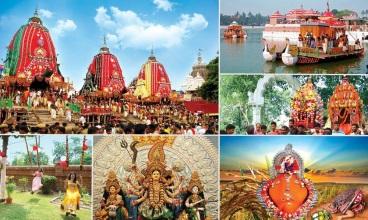
- Odia boasts a deep cultural history, with a rich tradition of literature, music, dance, and art.
- The Odia literature dates back over a thousand years. Some of the most notable literary figures include Sarala Das, who wrote the “Sarala Mahabharata” (a version of the Mahabharata), and Radhanath Ray, a famous poet.
- The language is the medium of the ancient and revered Jagannath cult, which is based in Odisha, one of India’s most important pilgrimage sites.
- Odisha is famous for its classical dance form, Odissi, which is deeply intertwined with the Odia language.
Historical Significance:
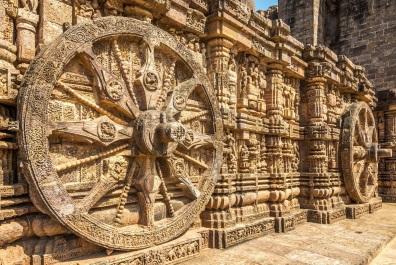
- Odia is one of the oldest languages in India, with inscriptions dating back to the 3rd century BCE in the Kalinga region (modern-day Odisha). The Kalinga edicts of Emperor Ashoka, which are among the oldest known writings in the Indian subcontinent, were written in early forms of Odia.
- It was also historically the language of the Kalinga Empire, which once covered a significant part of eastern India.
Official Language of Odisha:
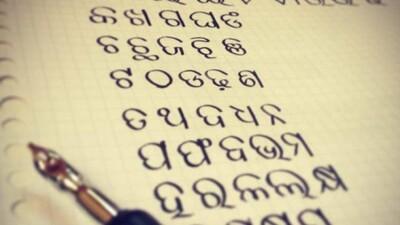
- Odia is the official language of the state of Odisha, where the majority of the population speaks it. It has a significant presence in government, education, media, and daily life in Odisha.
- The state government promotes the use of Odia across various sectors, including through Odia language education, which has led to its widespread use in schools and public life in Odisha.
Cultural Influence through the Jagannath Temple:
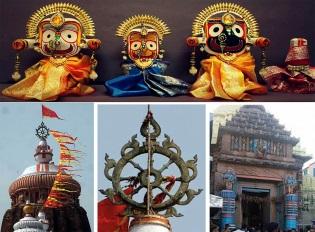
- Odisha is home to the famous Jagannath Temple in Puri, and the language is central to the rituals and practices of the Jagannath cult. The temple’s influence and festivals, like the Rath Yatra, draw millions of devotees, many of whom speak and understand Odia.
- The Odian festivals, such as Nuakhai, Makar Sankranti, and Rath Yatra, have a strong association with the Odia language.
Recognition and Status:
- Odia was recognized as a Classical Language of India by the government of India in 2008. This status is given to languages that have a long and rich literary tradition, with historical and cultural importance.
- It is one of the 22 scheduled languages of India under the Eighth Schedule of the Constitution of India, further ensuring its place in the country’s linguistic landscape.
Vibrant Media and Arts:
- The Odia film industry (Ollywood) contributes significantly to the regional culture and entertainment. The language has produced numerous films, songs, and performances over the years.
- Odia media, including newspapers, TV channels, and radio stations, play an essential role in spreading the language across India and abroad.
Diversity of Dialects:
- While the standard Odia language is predominantly spoken in Odisha, various dialects and variations of the language exist in different regions, showcasing the diversity of the language and its adaptability.
In summary, Odia is famous in India because of its ancient origins, literary richness, cultural and religious significance, official status in Odisha, and vibrant media presence. Its importance is not just regional but also national, reflecting the broader cultural diversity of India.