A pioneer in the one-stop destination for each & every human being for all tourism needs of the moment. place of tourism serves as a unique digital forum by incessantly providing essential information on tourism and all the tourist places at utmost goodwill service.
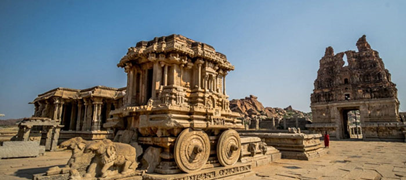
Odisha, a state in eastern India, is home to several remarkable monuments that showcase its rich cultural, architectural, and historical heritage. These monuments reflect the grandeur of ancient Indian architecture, religious diversity, and royal patronage. Here are some significant monuments in Odisha:
Konark Sun Temple

Location: Konark, Puri District
Significance: A UNESCO World Heritage Site, the Konark Sun Temple is an architectural marvel dedicated to the Sun God. Built in the 13th century by King Narasimhadeva I of the Eastern Ganga Dynasty, the temple is designed in the shape of a colossal chariot with twelve pairs of wheels and seven horses, symbolizing the movement of the sun across the sky.
Jagannath Temple

Location: Puri
Significance: One of the Char Dham pilgrimage sites in India, the Jagannath Temple is dedicated to Lord Jagannath (a form of Lord Vishnu). The temple is renowned for the annual Rath Yatra (chariot festival), where the deities of Jagannath, Balabhadra, and Subhadra are paraded through the streets of Puri.
Lingaraj Temple

Location: Bhubaneswar
Significance: The Lingaraj Temple is a 11th-century temple dedicated to Lord Shiva. This temple is one of the oldest and largest in Bhubaneswar, showcasing Kalinga architecture with a high-rise spire. It is an important pilgrimage site for Shaivites.
Udayagiri and Khandagiri Caves


Location: Bhubaneswar
Significance: These ancient rock-cut caves date back to the 2nd century BCE and were carved out for Jain monks. The Udayagiri caves are known for their intricate carvings, including the famous relief of King Kharavela, a notable ruler of the region.
Rajarani Temple

Location: BhubaneswarSignificance: Known for its distinctive architecture, the Rajarani Temple is made from the local Rajarani sandstone, which has a golden hue. The temple is dedicated to Lord Shiva, and its carvings depict a rich variety of deities, divine beings, and intricate patterns.
Chilika Lake

Location: Ganjam, Khurda, and Gajapati districtsSignificance: Though not a monument in the traditional sense, Chilika Lake is one of the largest coastal lagoons in India and a hotspot for biodiversity. The region has been historically significant and was the site of many early maritime activities.
Brahmeswar Temple

Location: BhubaneswarSignificance: This 9th-century temple is an important example of the Kalinga style of architecture. Dedicated to Lord Shiva, the temple is famous for its intricate carvings and sculpture work, which represent the high level of craftsmanship of the period.
Mukteshwar Temple

Location: Bhubaneswar
Significance: Built in the 10th century, the Mukteshwar Temple is an excellent example of the Kalinga architectural style. The temple is dedicated to Lord Shiva and is known for its beautiful sculptures and detailed architecture, including a highly decorative archway (Torana).
Dhauli Shanti Stupa

Location: Dhauli Hill, near Bhubaneswar
Significance: Dhauli is a significant historical site due to its association with Emperor Ashoka and his conversion to Buddhism. The Shanti Stupa (Peace Pagoda) here commemorates the Kalinga War (261 BCE) and stands as a symbol of peace and non-violence.
Chausathi Yogini Temple
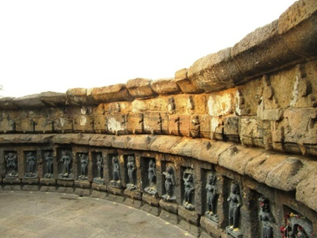
Location: Hirapur, near Bhubaneswar
Significance: This 9th-century temple is dedicated to the 64 Yoginis, female deities representing various aspects of Shakti (the divine feminine energy). The temple has 64 small shrines arranged in a circular manner and is an important site for tantric worship.
Rajarani Temple

Location: Bhubaneswar
Significance: This 11th-century temple is known for its exceptional architecture, with intricate carvings and sculptures of Hindu deities. It is called the Rajarani Temple due to the unique red and gold sandstone used in its construction.
The Tribal Museum


Location: Bhubaneswar
Significance: The Odisha State Tribal Museum, located in the capital city Bhubaneswar, is a significant cultural monument, showcasing the diverse tribal culture, traditions, and artifacts of the indigenous tribes of Odisha.
These monuments represent a rich blend of religious, cultural, and historical elements from various periods, making Odisha a fascinating destination for history enthusiasts and travelers alike.