
A pioneer in the one-stop destination for each & every human being for all tourism needs of the moment. place of tourism serves as a unique digital forum by incessantly providing essential information on tourism and all the tourist places at utmost goodwill service.

The Odisha located on the eastern coast of India. The culture of Odisha, boasts a rich and diverse cultural heritage. Odisha culture has been influenced by dynasties like the Mauryas, Guptas, and Gajapatis. The main culture of Odisha is deeply rooted in its ancient traditions and includes classical dance forms like Odissi, traditional music, temple architecture (especially the famous Jagannath Temple in Puri), Pattachitra painting, and a vibrant festival calendar featuring events like the Rath Yatra.
Odisha festival forms like Pattachitra. The Odia Cuisine, including delectable Odia dishes, reflects its unique identity. The tribal culture of Odisha add to the cultural tapestry with their traditions and craftsmanship.
Odisha culture is a rich tapestry encompassing art, the traditional culture of Odisha, and cultural heritage of Odisha . Influenced by its illustrious history, this state showcases a diverse cultural heritage, including the classical dance form Odissi and the intricate Pattachitra art. Festivals of Odisha like Ratha Yatra and Durga Puja,Rajo are celebrated with great fervor, reflecting the vibrant cultural scene. Odia cuisine is a delightful journey for food enthusiasts, with unique Odia dishes to savor. The tribal culture of Odisha adds depth to its cultural diversity.
Culture of Odisha is a captivating blend of traditions and artistic expressions, deeply rooted in its cultural heritage. With landmarks like the Jagannath Temple and the Konark Sun Temple, Odisha’s historical legacy is prominent. It features classical dance forms like Odissi, intricate Pattachitra art, and vibrant festivals such as Ratha Yatra. Exploring its cuisine, which includes delectable Odia dishes, is a culinary journey. Additionally, Odisha’s tribal communities contribute to its unique culture with their customs and craftsmanship. This multifaceted culture is a captivating and enriching experience for enthusiasts and visitors alike.
Clothing of Odisha
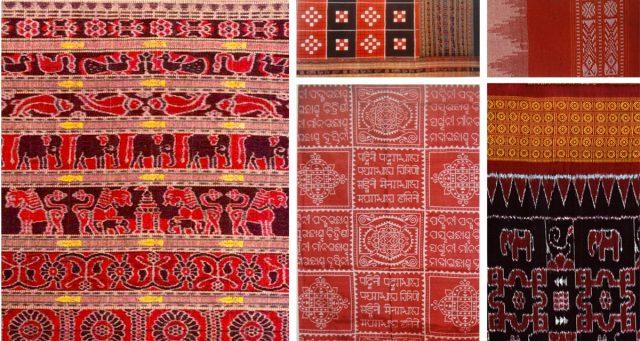
The traditional dress in Odisha is a colourful tapestry of art and culture of Odisha that weaves together the state’s cultural diversity and heritage. The iconic “Sambalpuri Saree & Maniabandha Saree” representing Odisha’s art and culture, is a masterpiece of artistry with intricate patterns and vivid hues, adorning women on various occasions. Men, on the other hand, often don traditional attire such as dhotis and kurtas, reflecting simplicity and elegance.
What makes Odisha culture dress even more fascinating is the clothing of its tribal communities. Each tribe has its unique style, characterized by tribal motifs and a kaleidoscope of colours. These traditional outfits are not merely garments but living symbols of Odisha’s rich culture, preserving age-old traditions and celebrating the state’s cultural heritage.
Art and Culture of odisha
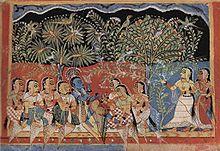
The art and culture of Odisha are not confined to clothing alone. It extends to various elements such as festivals, temples, dance forms like Odissi, and the unique Pattachitra art. The Jagannath Temple, Ratha Yatra, and Utkala Dibasa (Odisha Day) are integral parts of the cultural mosaic, reflecting the deep-rooted spirituality and festive fervor that define Odisha’s cultural landscape. The state’s rich tapestry is further enriched by its traditional cuisine, handicrafts, and historical sites, including the iconic Konark Sun Temple and the scenic Marine Drive in Puri.
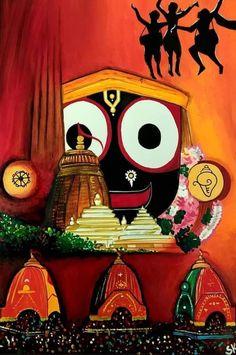
The traditional dress in Odisha, represented by the Sambalpuri Saree, Maniabandha Saree and tribal attires, stands as a vibrant expression of the state’s commitment to preserving its unique cultural identity.
The arts and culture of Odisha are a vibrant tapestry that reflects the rich heritage and traditions of this eastern Indian state. The cultural landscape of Odisha encompasses a diverse array of art forms, traditional practices, and festivals, making it a treasure trove for enthusiasts and scholars alike.
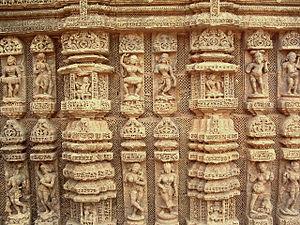
One of the pillars of Odisha’s cultural heritage is its distinctive dance form, Odissi. Renowned for its graceful movements and intricate expressions, Odissi dance has deep roots in the religious traditions of the state. Performances often depict mythological stories, and the dance is characterized by fluid movements and elaborate costumes that add to its aesthetic appeal.
Pattachitra, a traditional form of scroll painting, is another jewel in Odisha’s artistic crown. This intricate art form often narrates stories from Hindu mythology and is characterized by vibrant colors and meticulous detailing. The skillful artisans of Odisha continue to keep this tradition alive, producing exquisite Pattachitra artworks that are admired both locally and internationally.
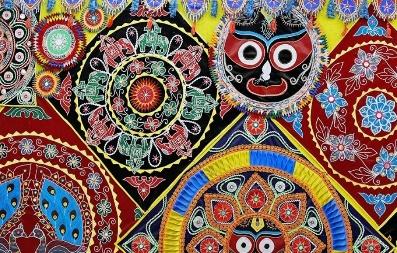
The Jagannath Temple in Puri is a significant religious and cultural landmark in Odisha. The annual Ratha Yatra, or chariot festival, attracts millions of devotees and tourists alike. The temple is a symbol of Odisha’s deep-rooted spiritual culture and serves as a focal point for religious and cultural celebrations.
The state’s culinary heritage, Odia Cuisine, is a delightful journey for the taste buds. From the aromatic Dalma (a lentil and vegetable dish) to the delectable Rasagulla (a sweet delicacy), Odisha’s cuisine is a reflection of its diverse cultural influences.
Tribal communities play a vital role in shaping the cultural mosaic of Odisha. The tribal culture of Odisha is characterized by unique art, music, dance, and rituals that distinguish each community. The Bhitarkanika National Park provides a glimpse into the traditional lifestyle of these tribal communities and their harmonious coexistence with nature.
Sambalpuri Saree and Maniabandha Saree, with its vibrant colours and ikat patterns, is a celebrated traditional attire of Odisha. The craftsmanship involved in making these sarees has been passed down through generations, contributing to the rich textile heritage of the state.
In the realm of music, Odisha boasts a diverse range of folk and classical genres. Odissi music, accompanied by traditional instruments, captivates audiences with its melodic tunes. Additionally, Chhau Dance, a traditional martial dance, adds a dynamic and energetic dimension to Odisha’s cultural repertoire.
The state’s festivals, including the grand celebration of Utkala Dibasa (Odisha Day), showcase the resilience and spirit of its people. Cuttack Silver Filigree, an ancient craft, reflects the fine metalwork skills of Odisha’s artisans, creating intricate jewellery and arty facts.
Odisha’s commitment to preserving its cultural heritage is also evident in its historical sites, such as the Konark Sun Temple.
Tribal Culture of Odisha
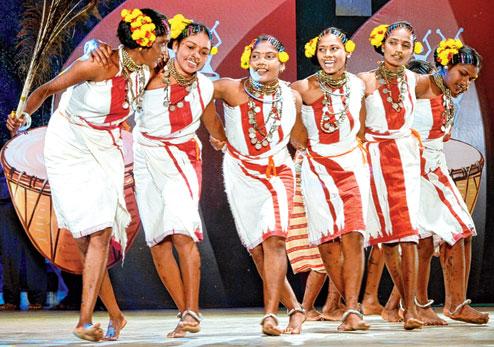
The tribal cultures of Odisha add a unique and diverse dimension to the Odisha culture and tradition. The tribal communities, with their distinct art, music, and dance forms, contribute to the rich cultural diversity of Odisha.
Tribal communities of Odisha, people speak their own languages and wear traditional attire that reflects their identity. The air is filled with the rhythmic beats of tribal music, telling stories of their ancestors and creating a lively atmosphere.
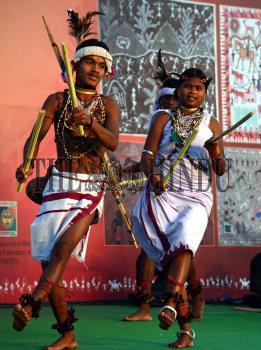
Artistic expression is a way of life for these tribes, seen in the intricate designs on their clothing and the lively tribal dance forms that showcase their history and beliefs. Their festivals are a joyous celebration, bringing the entire community together with rituals, dances, and delicious traditional cuisines.
The odisha culture gains depth and diversity from these tribal communities. They are like guardians of a cultural heritage, preserving ancient traditions while embracing the modern world.
Oddisi Dance
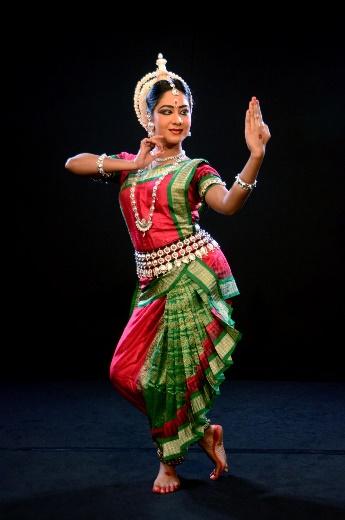
Odissi Dance, a classical dance form originating from the sacred temples of Odisha, stands as a resplendent embodiment of the state’s cultural heritage. Rooted in tradition, this dance form is a mesmerizing tapestry of graceful movements, intricate expressions, and profound storytelling.
Characterized by its fluid and expressive nature, Odissi dance is a visual poetry that unfolds stories of mythology and spirituality. Dancers, adorned in vibrant traditional attire, move through intricate choreography that showcases a deep connection to the rich cultural traditions of Odisha.
The dance form is not merely a series of movements; it’s a sacred offering with roots in the devotional practices of the temples. The iconic Jagannath Temple in Puri holds a special place in the history of Odissi, as the dance was originally performed as a devotional ritual within the temple premises.
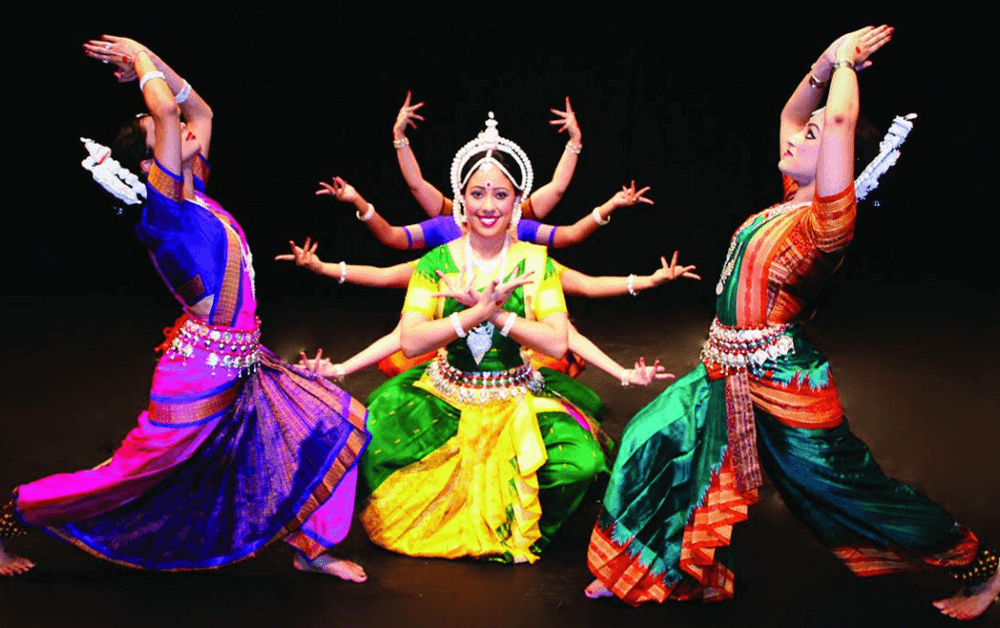
The distinctive features of Odissi include the use of the “Tribhangi” posture, symbolizing a three-part bend that creates a captivating and statuesque pose. This, coupled with intricate footwork and facial expressions known as “Abhinaya,” allows dancers to convey a myriad of emotions and narratives.
Over the centuries, stalwart gurus and practitioners have played a pivotal role in preserving and evolving the art of Odissi dance. The dance repertoire includes traditional compositions like “Bhramari” and “Pallavi,” showcasing technical brilliance, while “Abhinaya” pieces delve into the emotional depths of the stories being told.
Institutions dedicated to Odissi dance training play a crucial role in nurturing new talents and ensuring the continuity of this cultural legacy. The dance not only represents the artistic prowess of the performers but also serves as a bridge between the past and the present, connecting people to the cultural roots of Odisha.
Language of Odisha (ODIA)

The Odia language, also known as Odia or Oriya, is the linguistic heartbeat of the people of Odisha, playing a crucial role in preserving and expressing the cultural identity of the state. As one of the classical languages of India, Odia has a rich literary heritage and is deeply intertwined with the cultural and historical tapestry of the region.
he Odia script, a variation of the Brahmi script, is used for writing Odia and several other Eastern Indian languages. Over centuries, Odia literature has flourished, with poets like Jayadeva, renowned for the epic “Gita Govinda,” contributing significantly to the cultural landscape.
During the British colonial period, the Utkala Deepika newspaper played a crucial role in the linguistic and cultural renaissance, promoting Odia language and fostering a sense of identity. The Bhasha Andolan (Language Movement) advocated for Odia as the official language, securing its recognition.
In recent times, initiatives like the Odia Virtual Academy use technology to promote and preserve the language. This includes digitizing classical Odia texts and providing online learning platforms, ensuring the linguistic heritage thrives in the digital age.
More than a means of communication, the Odia language is a repository of cultural nuances, expressions, and sentiments, serving as a bridge between generations. Celebrated on Utkala Dibasa (Odisha Day), it reflects the resilience and pride of the people in their language and culture.
Music in Odisha
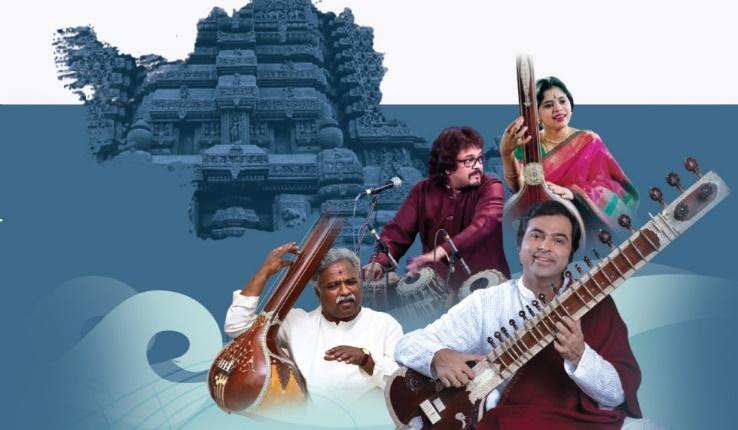
Music in Odisha is a soul-stirring journey that echoes the cultural vibrancy of the state. From the classical tunes of Odissi music to the energetic beats of Chhau dance, Odisha’s musical landscape is diverse and captivating.
The state’s folk music, rooted in tradition, adds a melodic charm to its cultural identity. The rhythmic tunes resonate with the spirit of the people, making music an integral part of Odisha’s cultural expression.
Religion in Odisha
Religion in Odisha is deeply interwoven with its cultural fabric. The Jagannath Temple is a symbol of the state’s religious identity, and the annual Ratha Yatra is a grand celebration that draws devotees from across the country.
Utkala Dibasa (Odisha Day) is a significant occasion that commemorates the formation of the state and reflects the religious and cultural pride of the people. The cultural and religious festivals of Odisha play a pivotal role in shaping the collective identity of its residents
Festivals of Odisha

The festivals of Odisha, deeply rooted in its cultural heritage, showcase a rich tapestry of traditions and artistic expressions. One of the most iconic festivals is Ratha Yatra, where enormous chariots carry deities through the streets of Puri, drawing devotees and tourists alike. Durga Puja, Diwali, and Holi are celebrated with great enthusiasm, adding vibrant colors to the cultural landscape. Odisha’s festivals also feature classical dance performances like Odissi and traditional music, which resonate with the state’s artistic spirit. These celebrations offer a captivating glimpse into the heart of Odisha’s culture, where ancient traditions meet modern enthusiasm.
Ratha Yatra,Puri,Odisha
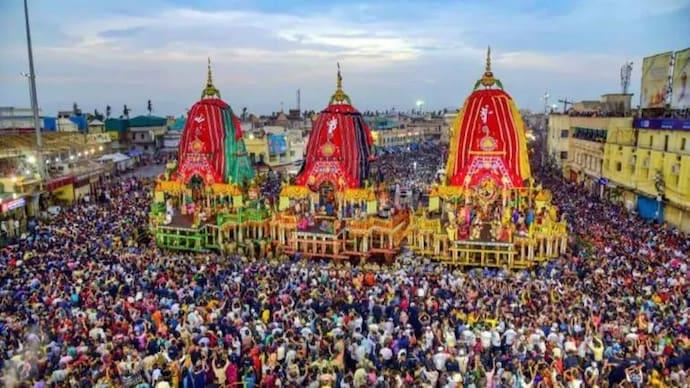
Ratha Yatra is one of Odisha’s most celebrated festivals, where massive chariots carry deities, including Lord Jagannath, through the streets of Puri. It’s a grand procession drawing devotees and tourists from all over. Car Festival (Ratha Yatra) is dedicated to Lord Jagannath. The huge deities of Jagannath, Balaram and Subhadra are taken for a religious Yatra on the chariots to the Gundicha temple for a 9 Days. People of Orissa actively participate in the Rath Yatra. The people have always been connected to this traditional festival of Orrisa.
Believed to be as old as the Jagannath Temple, Puri – the Ratha Jatra or the Chariot Festival as its popularly called outside India is a unique festival in more ways than one. This is the only festival in India, where the deities are taken out of the temple premises. People of all religion, caste and creed join in and revel in the sea of humanity that Puri transforms into.
CHANDAN YATRA,ODISHA
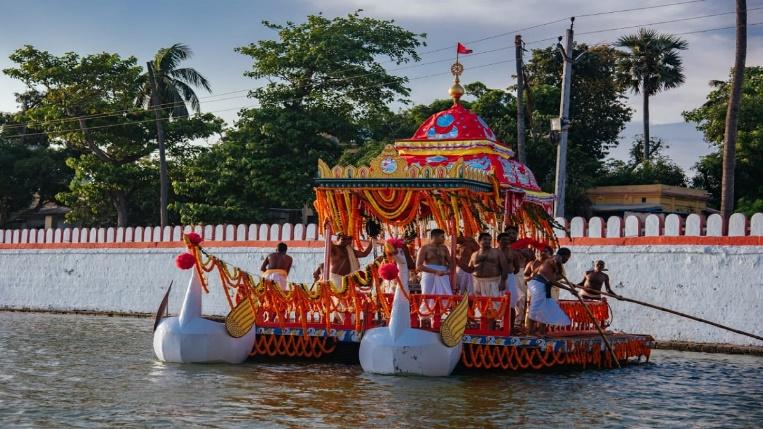
Also known as Gandhalepana Yatra, it is the longest festival of Orissa which is celebrated at Jagannath temple at Puri. The 42-day long festival is celebrated by worshiping the deities with sandal mixed water. The deities are taken out of the temple for a holy patron in water in the traditional boats called ‘ Chapa’. The boats are beautifully decorated generally in red and white colour to give the resemblance of a swan floating in the water. The conclusion of the pompous festival is marked at the Vishnu or Shiva temples in Puri. Thousand of pilgrimages gather to take part in the celebration of this great festival of Orrisa.
Dola Purnima
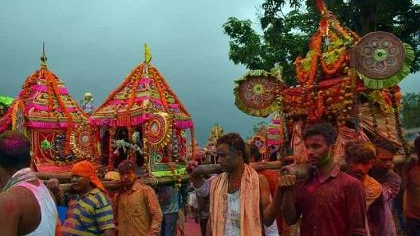
Dola Purnima is one of the most popular festivals in Orissa. Worshipping of Radha and Krishna in the swing festival is the main event during the six-day long festival. The festival is also known as Dola Yatra Or Dola Purnima From the Falgun Dasami day, the idol of village deities, especially that of Krishna, are carried to all the homes in the villages. The idols are carried on a decorated palanquin, known as Vimana, and the procession is accompanied by singers and musicians. In each house the deity is offered Bhog – sweets made from the recent harvest and fruits. In return, the deity distributes different colour abhir for the Holi festival.
Prathamashtami:
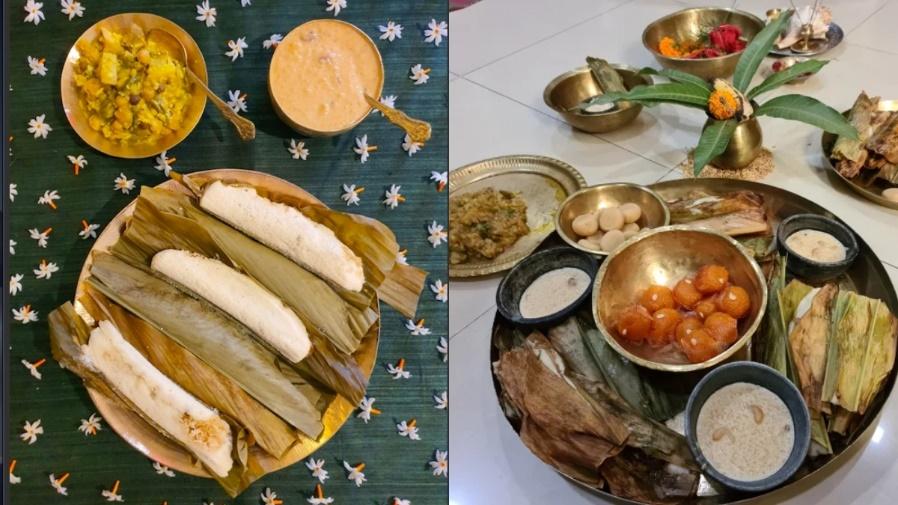
Prathamashtami is a unique festival in Odisha, dedicated to the firstborn child. Families celebrate their eldest child’s achievements and offer prayers for their well-being. Prathamashtami falls on the Astami tithi of Krushna Paksha in the Odia month of Margashira. This festival is in honour of the eldest child (podhuan)) of the family. Odia culture and rich tradition endorses everything in mother nature related to family values.
One of its kind festival, Prathamashtami is all about showing love to the firstborn of a family, so as to make him/her learn the family value system and making them ready for the upcoming responsibilities. In the Jagannath culture, Prathamashtami is a religious tradition that prescribes maternal uncles to present gifts to their nieces/nephews. According to tradition, Lord Madhab of Niali Temple is considered the maternal uncle of triad of Puri. Thus every year, servitors of Niali Temple offer new clothes to Lord Jagannath and his siblings during this festival.
Durga Puja:
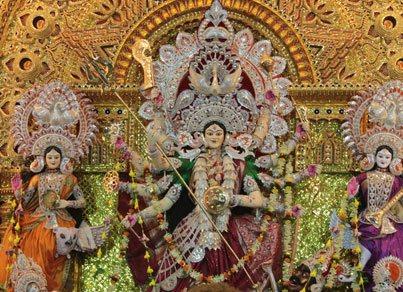
Durga Puja is observed with great fervor, honoring the goddess Durga. Elaborate pandals are set up, and cultural performances are organized during this festival. Durga Pooja is the most important festival of Orissa which is magnificently celebrated all over the state of Orrisa. It is celebrated in the month of Ashwin or Kartik, (September or October as per the English calendar). The streets and lighted up and Pandals are decorated to set the spirit of festivity among the people. The huge idols of Durga Maa along immaculate in the Pandals. The chants of Mantras and morning and evening Artis can be heard to mark the grand celebration of this festival. Durga Pooja is celebrated for three – four days in Orissa and holds an important significance for the Hindu devotees.
KALINGA MAHOTSAVA,ODISHA
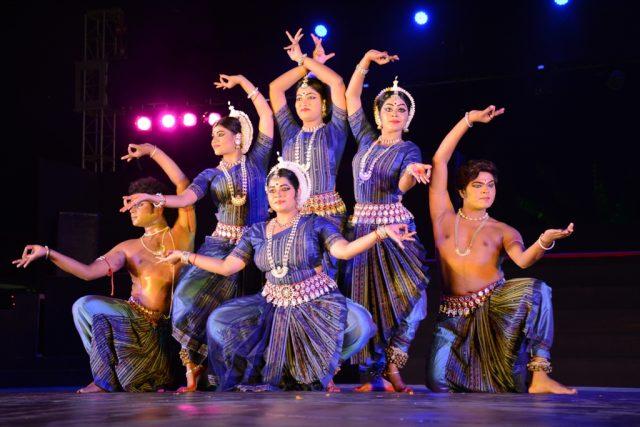
Kalinga Mahotsav holds great religious significance for peoples of Odisha and India. This festival is celebrated with the purpose to encourage people to follow the path of peace and calm, and not fighting with each other. This festival is organized by Art Vision, in collaboration with Orissa Tourism and Nalco the great organization those wanted to promote tourism in Odisha. The Vishwa Shanti Stupa located in state capital Bhubaneswar also popular with the name Peace Pagoda, is used as the venue of this festival. In previous era our state Odisha was popularly known as Kalinga. It’s the witness of the great fight between Emperor Ashoka of Maurya Dynasty and King of Kalinga. In that bloodiest battle thousands of people died and the King Ashoka realized his mistake, he decided to not fight again in his life and converted to Buddhism. Upagupta a great Buddhist monk helps him in adopting the religion of Buddhism. Kalinga Mahotsav is a festival celebrated each year to pay tribute to that great Kalinga of history. Thousands of Odia people from various districts and cities come to join in this festival and in everyone’s heart these is a special attraction for this occasion.
These festivals add color and vibrancy to Odisha’s cultural calendar, each with its unique significance and customs.
Rajo:
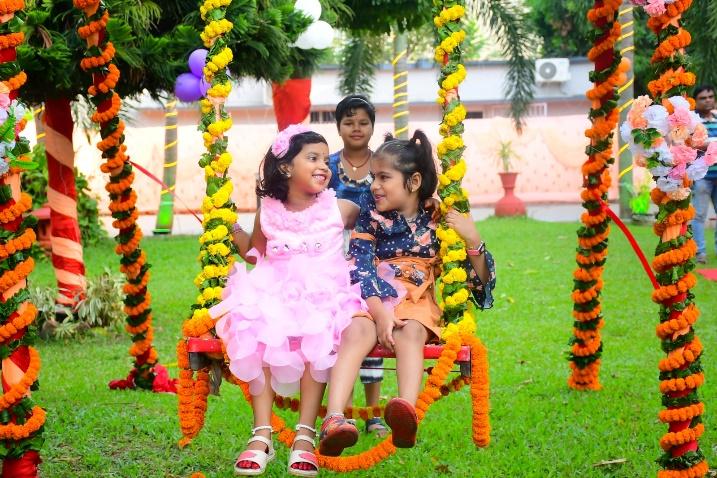
Rajo Parba is a four-day long festival which is fondly celebrated all over the state of Orrisa. This festival is celebrated to bring prosperity in agriculture fields and also to celebrate womanhood. The festival is dedicated to Basu- Mata , the Earth Goddess and during this festival, all the agriculture activities are stopped to allow the Goddess to rest. It is believed that during this period the Goddess undergoes her menstrual cycle, and to respect the womanhood of the Mother Earth, all the activities such as ploughing, plucking, cutting tree that can hurt nature are prevented.
Mahabisuva Sankranti (Pana Sankranti)
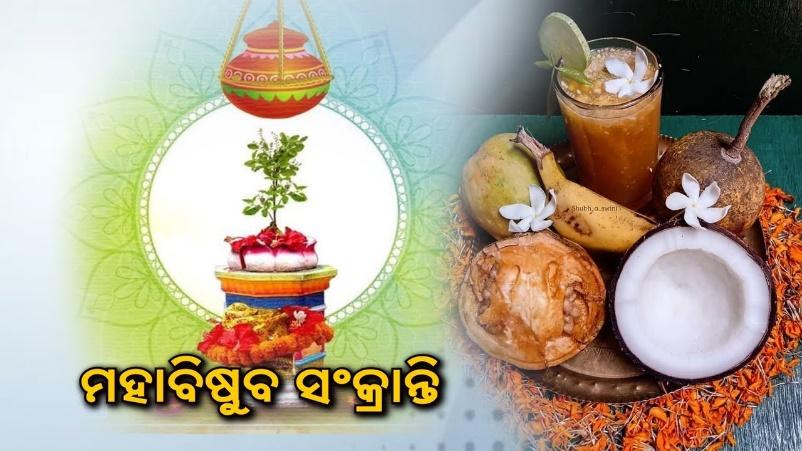
Mahabisuva Sankranti is celebrated to mark the Odia New Year as per the Odia Calendar in the month of April. The festival is also known as Pana Sankranti. Pana- a drink made from Misri and water is hung over the Tulsi plant to represent the rain. This festival is very auspicious for farming and agricultural activities in Orrisa. On this day special offerings are made to Lord Vishnu, Lord Shiva, and Hanuman. Devotees pay a visit to the Devi temples and pray for their great year ahead.
Magha Saptami
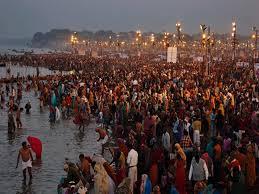
One of the most famous and most celebrated festivals of Konark temple is Magha Saptami. On this day thousands of people gather on the shore of Bay of Bengal to offer their prayers to the sea. Devotees take a holy dip in the sea near Chandrabhaga beach and welcome the rising Sun with prayers. This festival also marks the beginning of grand fair at Khandagiri near Bhubaneswar which lasts for a week. The shore of Bay and Bengal and the offerings made to the Sun temple add the feeling of festivity among the people of Orissa.
Konark Festival
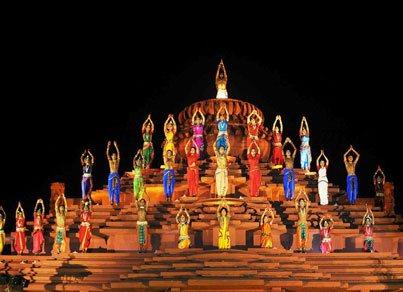
Dedicated purely to the beauty of Konark Sun Temple and the elegance of Odissi dance, this festival is beyond religions and customs. The festival is celebrated to pay tribute to the ancient beauty of the Konark Temple. As the sun sets down, the temple wears a vibrant look with lights adding on to its beauty. Konark Dance Festival is organised by Odissi dancer Gangadhar Pradhan’s Odisha Dance Academy at Konark Natya Mandap in Konark. Famous classical dancers get together to be a part of this extravagant celebration which is fondly enjoyed by the people from around the globe.
Makar Sankranti or Makar Mela
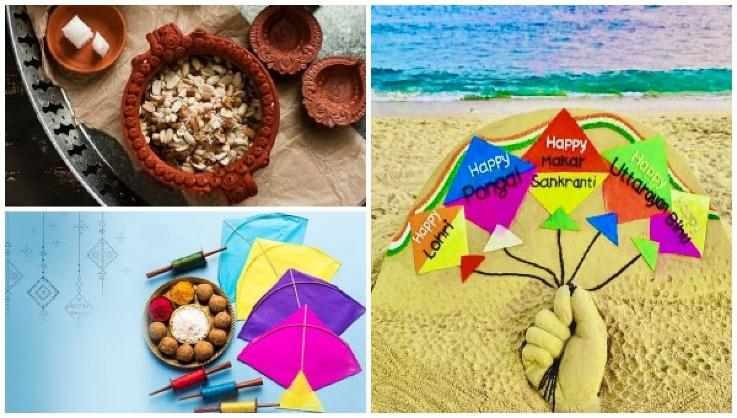
Makar Sankranti or Makar Mela is another important festival of Orrisa. The festival is celebrated when the Sun enters the orbit of Capricorn and by this time harvest of new paddy, sugarcane crops are over. On this auspicious day, people of Orissa offer prayers and food to the Sun God to have a healthy and prosperous life.
Naukhai
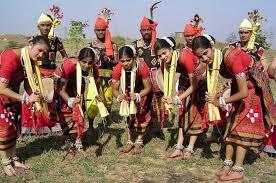
Nuakhai is the agricultural festival observed by people of Western Odisha & in some Chhattisgarh region in India. Nuakhai is observed to welcome the new rice of the season. It is the most important social festival of Odisha but particularly of a high significance in Western Odisha and adjoining areas. The word ‘nua’ means new and ‘khai’ means food, so the name means the new crop that the farmers harvest marking the start of the harvesting season. In recent years the festival is celebrated all around the country by people of Orissa who have migrated to these places.
Chatar Jatra
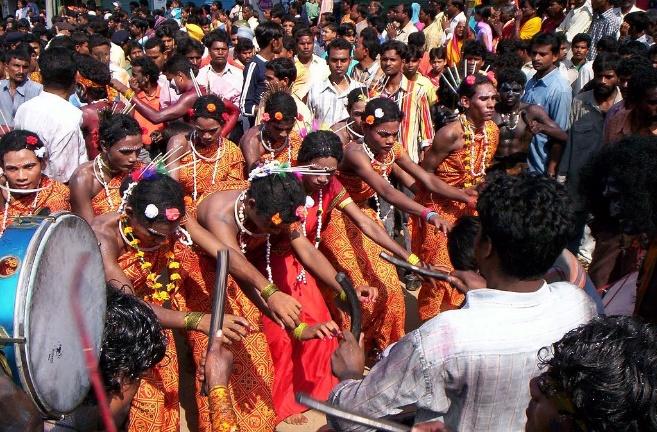
Khond People from the Kalahandi district in Odisha celebrate Chatar Jatra by worshipping their family Goddess, Maa Manikeswari. Maa Manikeswari is represented with a bamboo stick tied in a black cloth. The celebration starts at the night of Durga Ashtami. On the next day, on Dura Navami, the Goddess is carried around on 3 km long Jatra. The people celebrate by performing Ghumura dance. Animal sacrifices are also a part of the festival.


